Search results for tag #snow
![[?]](https://media.infosec.exchange/infosec.exchange/accounts/avatars/117/429/778/072/387/198/original/ae77e23ee6d04fa3.png)
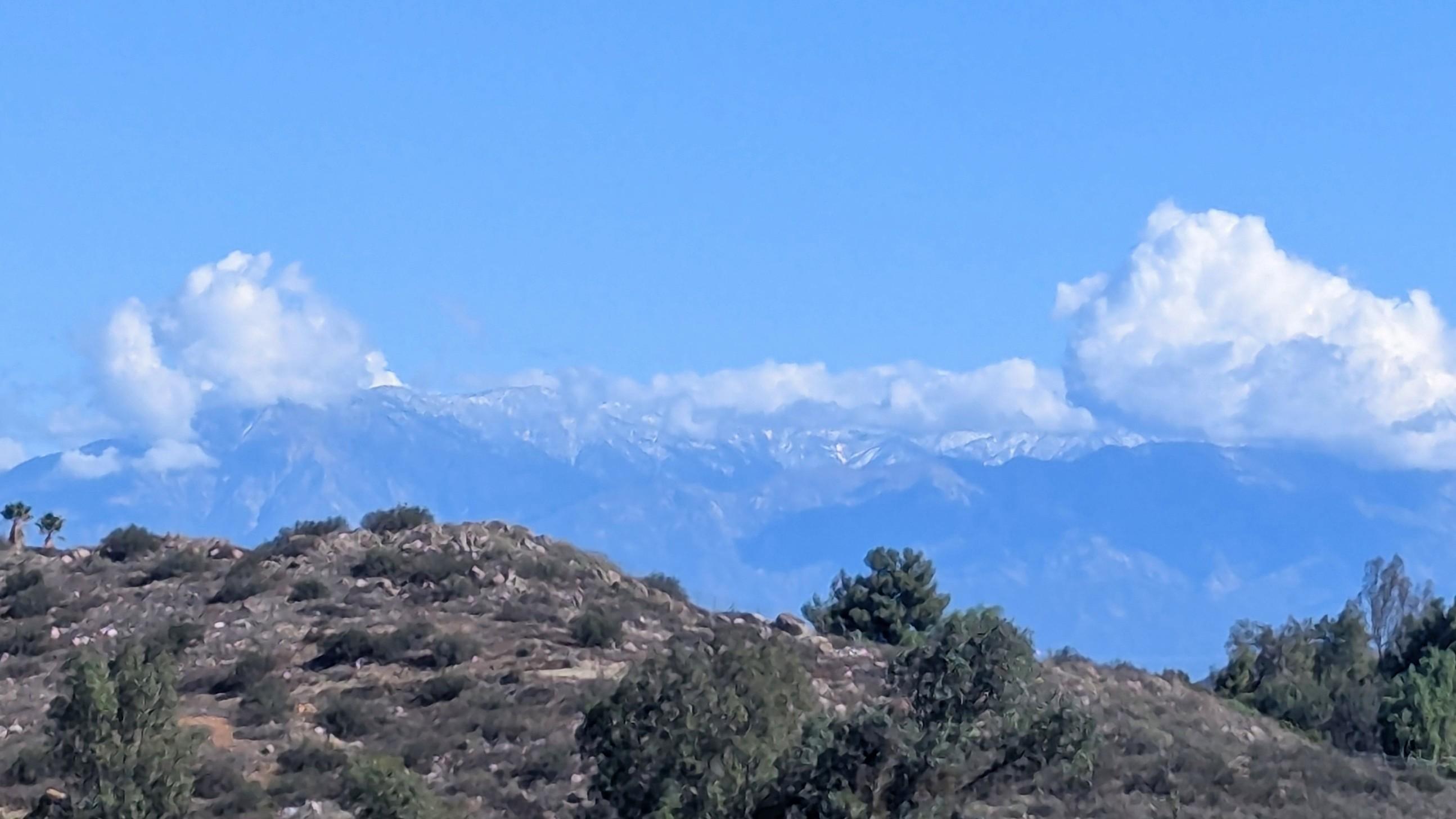
San Bernardinos got a little dusted!
Hard to see, zoomed in, about 40 miles North.
#California #Mountains #Snow #SouthernCalifornia #TransverseRanges
Alt...
Distant mountains with a little bit of fresh snow caps.
![[?]](https://files.mstdn.business/accounts/avatars/109/525/294/140/582/218/original/6fafd882d012c4a1.png)
The #World #Winter #Sports #Expo 2026 opened in #Beijing with #snowmaking #equipment, #smart #ski-resort #technology, winter #tourism destinations and #consumer sports products representing the expanding scope of #China’s #ice and #snow #economy. Held from October 15–17, 2026, at the #Shougang #Convention and #Exhibition Center in Beijing’s #Shijingshan District, the #event brought together approximately 300 #brands from more than 20 countries and regions. https://chinaexpohub.com/world-winter-sports-expo-2026-smart-snow-technology/
![[?]](https://files.mastodon.social/accounts/avatars/000/021/452/original/media.png)
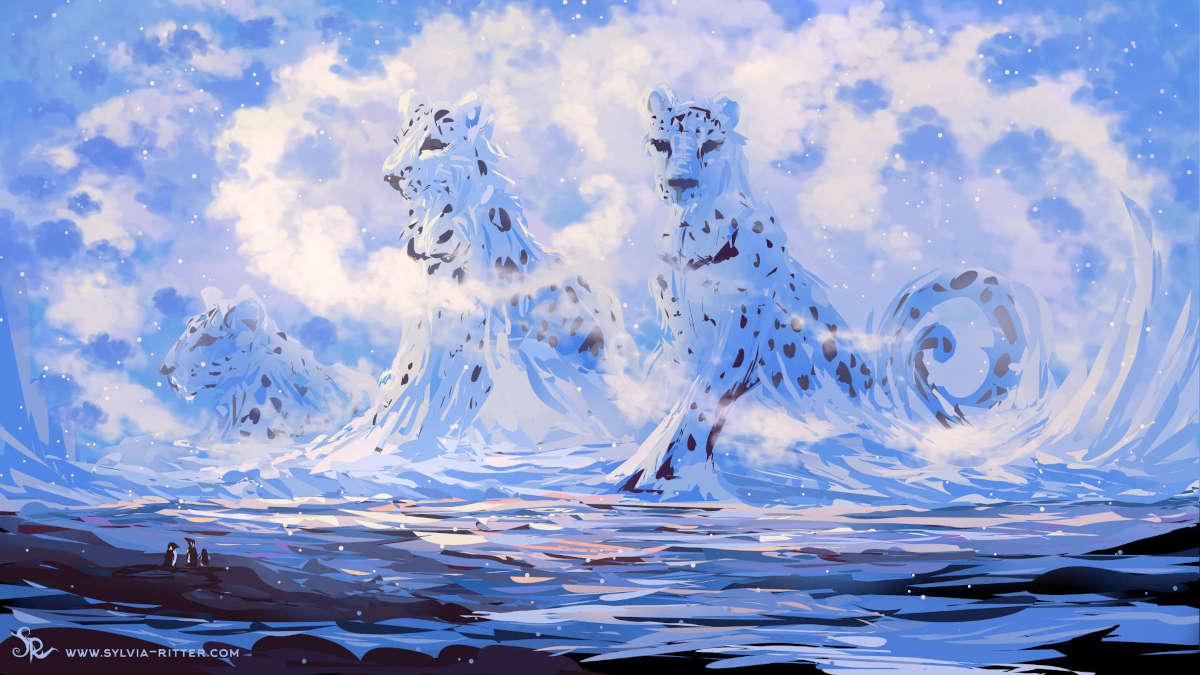
It's International Snow Leopard Day ❄️ 💫 .
#art #mastoart #fediart #snow #snowleopard #krita #speedpaint #landscape #nature #digitalart #noai #animals
Alt...
A winter wonderland scenery. Three mountains of Snow leopards are circled by fluffy clouds. Penguins are enjoying the view and you can hear a little bit of ice cracking from time to time. https://www.deviantart.com/sylviaritter/art/Speedpainting-23122023-1004507497
![[?]](https://s3.eu-central-2.wasabisys.com/mastodonworld/accounts/avatars/109/309/402/918/267/774/original/7076d8122d39d027.jpg)
Today's #photo: the first touch of #autumn #snow in a glowing #sunrise: https://wp.me/p2ccTX-1FX #canada #photography #NotAI
(Click/tap the link or picture to see the entire jpeg.)
![[?]](https://cdn.mstdn.ca/accounts/avatars/116/312/970/306/433/893/original/00b24a510b4d5703.jpg)
Today's #photo: the first touch of #autumn #snow in a glowing #sunrise: https://wp.me/p2ccTX-1FX #canada #photography #NotAI
(Click/tap the link or picture to see the entire jpeg.)
![[?]](https://s3.eu-central-2.wasabisys.com/mastodonworld/accounts/avatars/111/307/255/865/395/453/original/ac8ac402bf6ea968.jpeg)
#FotoVorschlag - Spezialfahrzeuge
#PhotoSuggestion - Specialist Vehicles
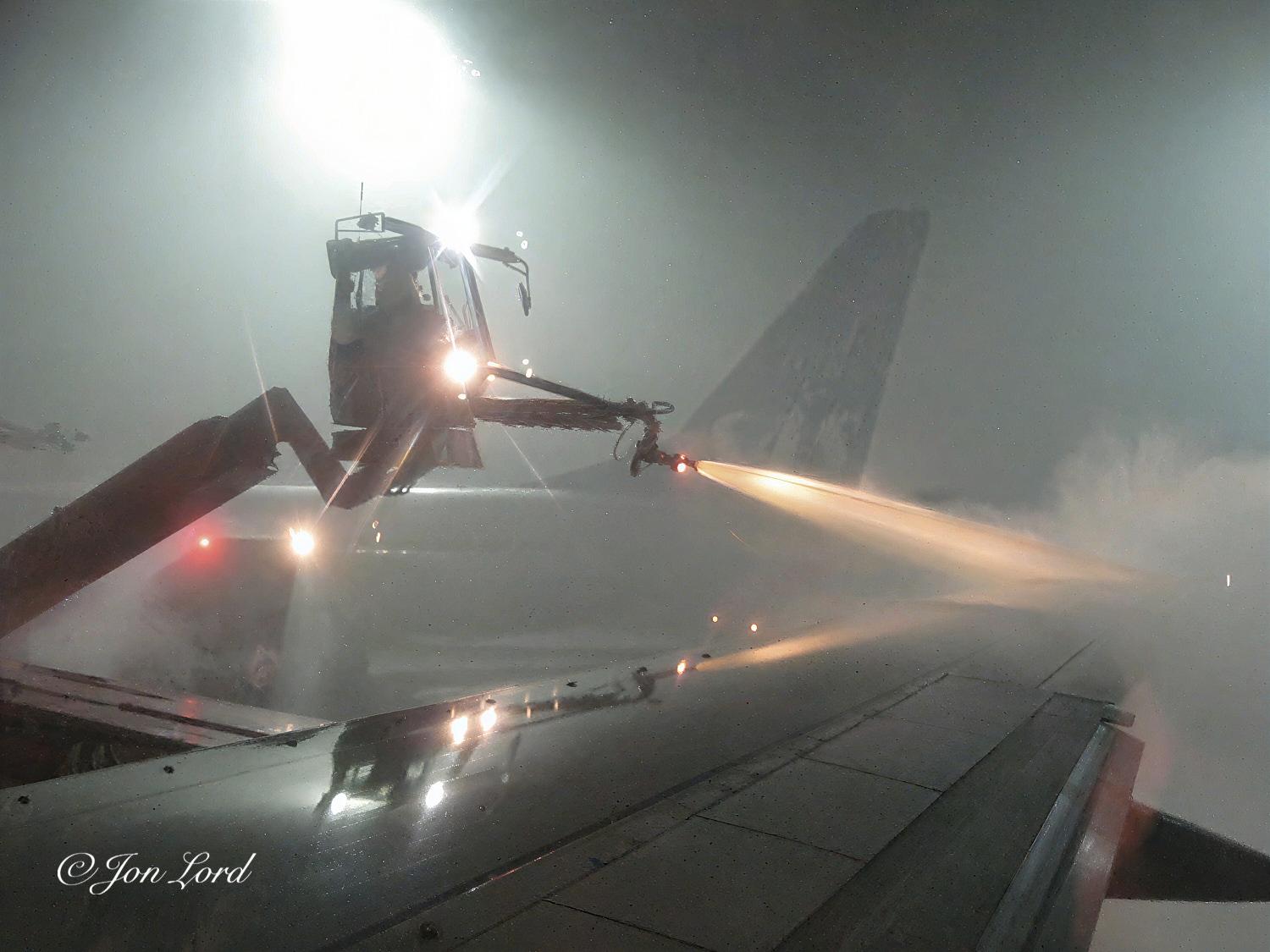
If There's One Thing Norway's Good At - It's Deicing Aircraft
(Details in the #AltText) (Described by Human)
#NoGenAi #NoAi #No2Ai #Photo #Photography #Travel #Avgeek #Plane #Planes #Planespotting #Aviation #PlaneSpotters #Aircraft #Airplane #Airplanes #Airport #Airports #Flying #Norway #Norge #Oslo #Snow #Ice #Flight
Alt...
This is an old night time colour photo in landscape format taken through a passenger window viewing over the wing of a Boeing 737 aircraft while it's being deiced. Oslo, Norway (2007).
From the base of the photo and extending away towards the right side is the swept wing of this jet aircraft. The camera is located behind a passenger window, about one metre above the and towards the rear of the wing, with the wing filling much of the lower half of the image. The forward part of the upper surface is shiny clearly reflecting the activities above. To the left and above the centre of the photo is the Sci-Fi like cab of an elevated aircraft deicing rig. The cab is mounted at the end of a long telescopic arm with the most of the mobile base out of view to the left of the image. The cab of the rig is level with the leading edge of the wing, about half way along it's length and two metres above. The cab is small, about the size of an old telephone box with large windows surrounding it, a large mirror mounted on the right side, one or more strong search lights at the base and a long arm at base on the front that mounts the deicing nozzle. From the nozzle is a long and powerful spray of hot, steaming deicing fluid that's being applied to the outboard section of the wing. The spray is brightly light by the rig's search lights. In the dark background is the tail of a parked SAS Boeing 737. Above and behind this wintery scene is a background and sky obscured by snow and or fog.
The #World #Winter #Sports #Expo 2026 opened in #Beijing with #snowmaking #equipment, #smart #ski-resort #technology, winter #tourism destinations and #consumer sports products representing the expanding scope of #China’s #ice and #snow #economy. Held from October 15–17, 2026, at the #Shougang #Convention and #Exhibition Center in Beijing’s #Shijingshan District, the #event brought together approximately 300 #brands from more than 20 countries and regions. https://chinaexpohub.com/world-winter-sports-expo-2026-smart-snow-technology/
The #World #Winter #Sports #Expo 2026 opened in #Beijing with #snowmaking #equipment, #smart #ski-resort #technology, winter #tourism destinations and #consumer sports products representing the expanding scope of #China’s #ice and #snow #economy. Held from October 15–17, 2026, at the #Shougang #Convention and #Exhibition Center in Beijing’s #Shijingshan District, the #event brought together approximately 300 #brands from more than 20 countries and regions. https://chinaexpohub.com/world-winter-sports-expo-2026-smart-snow-technology/
![[?]](https://media.mas.to/accounts/avatars/109/299/907/844/471/549/original/d3fc2b3130a0f700.png)
The view looking across the Lime Creek valley at Snowdon Peak from Coal Bank Pass on Thursday morning. ❄️
#Photography #Landscape #Nature #Outdoors #Colorado #Snow #Mountains

Alt...
Snow-laden evergreens frame a deep, shadowed valley beneath sunlit, rugged peaks, their icy ridgelines glowing against a clear blue sky.